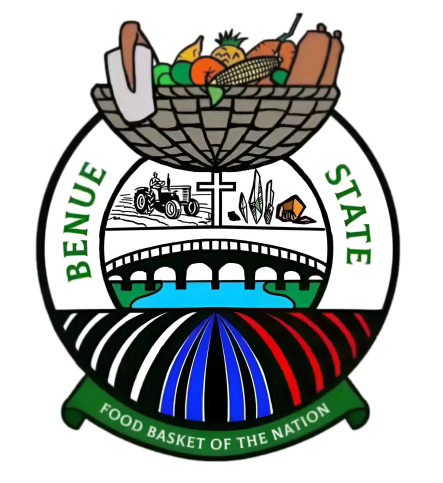







Benue State, popularly known as the “Food Basket of the Nation,” is one of Nigeria’s thirty-six states and is located in the North-Central region of the country. The state derives its name from the historic Benue River, one of the largest rivers in Nigeria, which traverses the state and has played a significant role in the social, cultural, and economic development of its people.
Benue State was created on 3 February 1976 by the military administration of General Murtala Ramat Mohammed as part of a nationwide state creation exercise aimed at bringing governance closer to the people and promoting balanced regional development. The state emerged from the former Benue-Plateau State, which was subsequently divided into Benue State and Plateau State.
At creation, Benue State comprised the territories that now make up present-day Benue and parts of what later became Kogi State. Following the creation of Kogi State on 27 August 1991, some local government areas were excised from Benue State, resulting in its present geographical boundaries.
The state capital is Makurdi, a historic city situated along the banks of the Benue River. Makurdi serves as the administrative, political, and economic headquarters of the state and hosts key government institutions and public infrastructure.
Benue State is home to a rich diversity of ethnic groups, including the Tiv, Idoma, and Igede peoples, among others, each contributing to the state’s unique cultural heritage, traditions, and values. Agriculture remains the backbone of the state’s economy, with the fertile land supporting the cultivation of a wide range of crops that contribute significantly to Nigeria’s food security.
Since its creation, Benue State has continued to evolve as a center of agricultural excellence, cultural diversity, and economic opportunity, while maintaining its strategic importance in Nigeria’s national development. Today, the state remains committed to sustainable growth, peace, and prosperity for all its citizens.
Benue State is located in the North-Central region of the Federal Republic of Nigeria. The state occupies a strategic position within the country and serves as a gateway between Nigeria’s northern and southern regions.
Benue State lies approximately between latitudes 6°25′ and 8°8′ North and longitudes 7°47′ and 10°0′ East, covering a land area of about 34,059 square kilometers. The state shares boundaries with several states, namely Nasarawa State to the north, Taraba State to the east, Cross River State to the south, Enugu State to the southwest, Ebonyi State to the south, and Kogi State to the west.
The state also shares an international boundary with the Cameroon along its southeastern axis, enhancing its strategic importance in regional trade and cross-border relations.
A defining geographical feature of the state is the majestic Benue River, from which the state derives its name. The river traverses the state and provides fertile floodplains that support extensive agricultural activities, making Benue one of Nigeria’s leading food-producing states.
The terrain of Benue State is characterized by vast plains, rolling hills, fertile valleys, and rich agricultural lands. Its favorable climate, abundant water resources, and fertile soil create ideal conditions for the cultivation of crops such as yam, rice, cassava, maize, soybeans, millet, and a variety of fruits and vegetables.
The strategic location and natural endowments of Benue State have contributed significantly to its status as the “Food Basket of the Nation” and continue to support its economic growth and development.
Makurdi is the capital city of Benue State and serves as the administrative, political, commercial, and cultural center of the state. Strategically located on the banks of the Benue River, Makurdi occupies a central position that connects various parts of the state and facilitates trade, transportation, and economic activities.
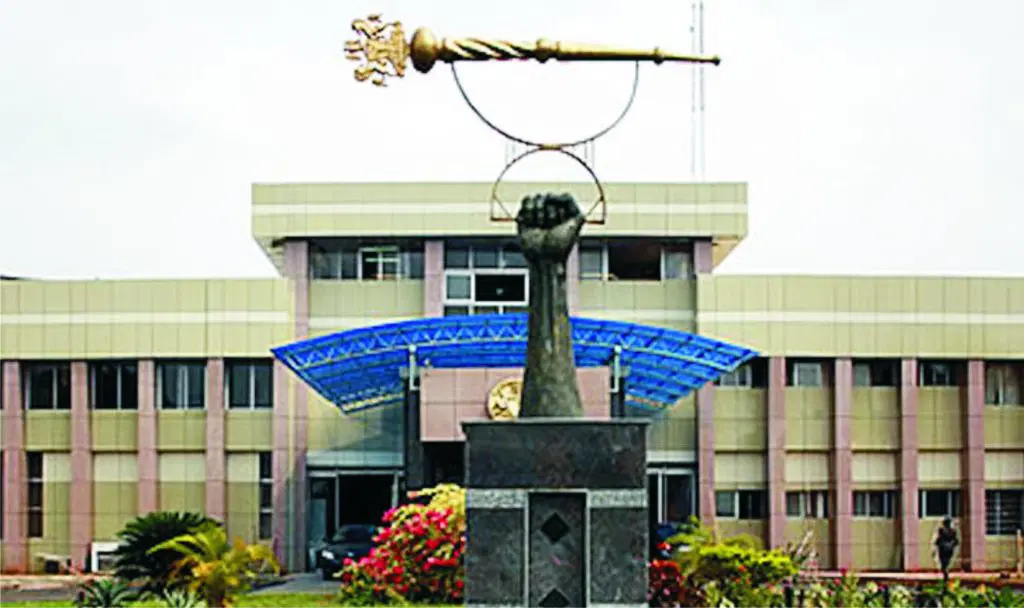
The city became the capital of Benue State upon the state’s creation on 3 February 1976 and has since developed into a major urban center in North-Central Nigeria. Makurdi hosts the seat of government, including the Government House, the Benue State House of Assembly, ministries, departments, agencies, and other key public institutions.
Makurdi is widely recognized for its strategic location along the Benue River, with the iconic bridges linking the northern and southern parts of the city. The city serves as an important transportation hub, connecting Benue State to neighboring states and other regions of the country.
As the administrative headquarters of Benue State, Makurdi is home to several educational institutions, healthcare facilities, business centers, markets, and cultural attractions. The city continues to experience growth in infrastructure, commerce, and urban development, reflecting its importance as the political and economic heartbeat of the state.
With its rich history, vibrant culture, and welcoming people, Makurdi remains a symbol of unity, progress, and development for the people of Benue State and Nigeria as a whole.
Benue State is characterized by a tropical climate with two distinct seasons: the rainy season and the dry season. The rainy season usually begins in April and lasts until October, while the dry season extends from November to March. Annual rainfall ranges between 1,200 mm and 1,800 mm, providing favorable conditions for agriculture and supporting the state’s rich biodiversity.
Temperatures in the state are generally warm throughout the year, averaging between 21°C and 37°C. During the dry season, the Harmattan wind from the Sahara Desert brings cooler and drier weather, especially between December and February.
The vegetation of Benue State is predominantly Guinea Savannah, consisting of vast grasslands interspersed with scattered trees and shrubs. This vegetation type supports extensive agricultural activities, livestock production, and natural ecosystems. Along the floodplains and river valleys, particularly around the Benue River, richer vegetation and fertile soils provide ideal conditions for the cultivation of a wide variety of crops.
The combination of fertile land, favorable climate, and abundant water resources has made Benue State one of Nigeria’s leading agricultural regions, earning it the well-deserved title of “The Food Basket of the Nation.” These natural advantages continue to contribute significantly to the state’s economic growth, food production, and sustainable development.
Benue State is home to a diverse and vibrant population known for its rich cultural heritage, hospitality, and strong communal values. The state is predominantly inhabited by three major ethnic groups: the Tiv, Idoma, and Igede, alongside several other indigenous communities that contribute to the state’s cultural diversity and social harmony.
The Tiv people constitute the largest ethnic group and are found mainly in the central and northern parts of the state. The Idoma people predominantly occupy the southern region, while the Igede people are largely concentrated in the eastern part of the state. Other ethnic communities, including Etulo, Abakwa, Jukun, Nyifon, Akweya, and Ufia, also form an integral part of the state’s multicultural identity.
The people of Benue State are widely recognized for their industrious nature, particularly in agriculture, trade, craftsmanship, and public service. Agriculture remains the primary occupation of the majority of the population, with farming playing a central role in the state’s economy and food production.
Benue’s cultural heritage is reflected in its traditional institutions, colorful festivals, music, dance, attire, cuisine, and indigenous languages. These traditions continue to promote unity, preserve cultural values, and strengthen the identity of the various communities across the state.
Known for their warmth and hospitality, the people of Benue State welcome visitors and investors alike, fostering an environment of peace, cooperation, and mutual respect. Their resilience, creativity, and commitment to development remain key drivers of the state’s progress and prosperity.
Today, the people of Benue State continue to play a vital role in nation-building, contributing significantly to Nigeria’s agricultural output, cultural richness, and socio-economic development.
Benue State is blessed with a rich cultural heritage that is preserved and promoted through its respected traditional and chieftaincy institutions. These institutions serve as custodians of the customs, traditions, values, and history of the various ethnic groups within the state and continue to play a vital role in community development, peacebuilding, and social cohesion.
Traditional rulers occupy an important place in the governance structure of Benue State, serving as a bridge between government and the people at the grassroots level. They provide leadership, promote cultural identity, assist in conflict resolution, and support efforts aimed at maintaining peace, security, and development within their communities.
Among the foremost traditional institutions in the state are the Tor Tiv, the paramount ruler of the Tiv people; the Och’Idoma, the paramount ruler of the Idoma people; and the Ochi’Igede, the paramount ruler of the Igede people. These revered stools symbolize the unity, heritage, and aspirations of their respective ethnic nationalities.
Traditional councils across the state work closely with government agencies, community leaders, and development partners to promote good governance, preserve cultural values, encourage peaceful coexistence, and support socio-economic growth. They also play a significant role in mobilizing communities for development initiatives and public enlightenment programmes.
The Government of Benue State recognizes the importance of traditional institutions as critical stakeholders in governance and community development. Through collaboration and mutual respect, these institutions continue to contribute meaningfully to the preservation of Benue’s cultural heritage and the advancement of peace, unity, and progress throughout the state.
Today, traditional and chieftaincy institutions remain enduring symbols of authority, cultural pride, and community leadership, reflecting the rich history and diverse traditions of the people of Benue State.
Benue State is endowed with a variety of solid mineral resources that contribute significantly to its economic potential and industrial development. The state’s geological formations contain substantial deposits of valuable minerals, making it one of the resource-rich states in Nigeria.
Some of the major mineral resources found in Benue State include limestone, barite, gypsum, kaolin, lead, zinc, granite, salt, clay, marble, and silica sand. These minerals occur in commercial quantities across different parts of the state and provide opportunities for investment, mining, manufacturing, and value-added processing industries.
Limestone, one of the most abundant minerals in the state, serves as a key raw material for cement production and other industrial applications. Deposits of barite and gypsum are important for the oil, gas, and construction sectors, while kaolin and clay support the ceramics, paint, and manufacturing industries.
The presence of granite, marble, and other construction materials further enhances the state’s potential in the building and infrastructure sectors. These resources provide opportunities for job creation, revenue generation, and economic diversification.
The Benue State Government remains committed to promoting responsible and sustainable exploitation of mineral resources in accordance with national regulations and environmental standards. Through strategic partnerships and investment-friendly policies, the state seeks to unlock the full potential of its mineral wealth for the benefit of its people.
With its abundant natural resources and favorable investment climate, Benue State continues to position itself as an attractive destination for mining, industrial development, and economic growth within Nigeria and beyond.
Benue State is richly endowed with abundant natural resources that form the foundation of its economy and support the livelihoods of millions of its residents. The state possesses vast arable land, extensive water resources, fertile river valleys, forests, and a variety of solid minerals, making it one of Nigeria’s most naturally gifted states.
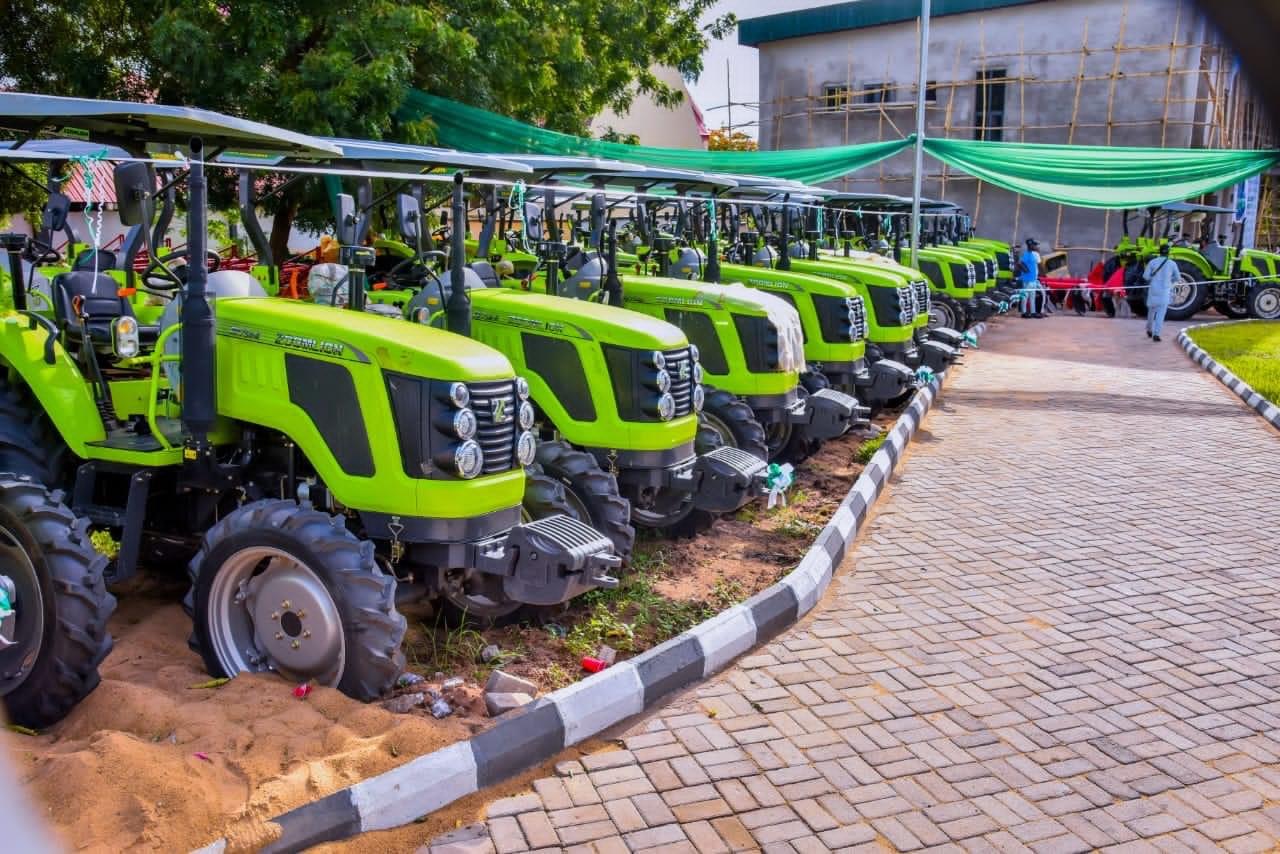
Agriculture remains the backbone of the state’s economy and the primary occupation of a large proportion of the population. Benue State is widely recognized as the “Food Basket of the Nation” due to its high agricultural productivity and contribution to Nigeria’s food security. Major crops cultivated in the state include yam, cassava, rice, maize, soybeans, millet, sorghum, groundnuts, beniseed, fruits, and vegetables.
The state is also blessed with significant livestock resources, including cattle, sheep, goats, poultry, and fisheries, which contribute to food production, employment, and economic growth. The presence of the Benue River and its tributaries provides opportunities for irrigation farming, fishing, transportation, and water supply.
In addition to agriculture, Benue State possesses valuable mineral resources such as limestone, barite, gypsum, kaolin, lead, zinc, granite, marble, clay, and silica sand. These resources offer immense opportunities for mining, industrial development, manufacturing, and investment.
Commerce, trade, transportation, small and medium-scale enterprises, education, and public service also contribute significantly to the state’s economy. Major markets across the state serve as important centers for the exchange of agricultural produce and other goods, linking rural producers with national and regional markets.
The Benue State Government remains committed to diversifying the economy through strategic investments in agriculture, industrialization, infrastructure development, digital innovation, tourism, and private sector growth. These efforts are aimed at creating employment opportunities, attracting investment, enhancing productivity, and improving the quality of life of the people.
With its rich natural endowments, entrepreneurial population, and strategic location, Benue State continues to strengthen its position as a key driver of economic development and sustainable growth in Nigeria.
Benue State is renowned for its rich cultural heritage, diverse traditions, and vibrant way of life. The state is home to several ethnic groups, notably the Tiv, Idoma, and Igede peoples, whose customs, languages, festivals, music, dances, and traditional institutions collectively form the unique cultural identity of Benue State.
The people of Benue take great pride in preserving their cultural values and passing them from one generation to another. Traditional ceremonies, marriage rites, storytelling, folklore, and community celebrations continue to play an important role in strengthening social bonds and promoting unity among the various communities.
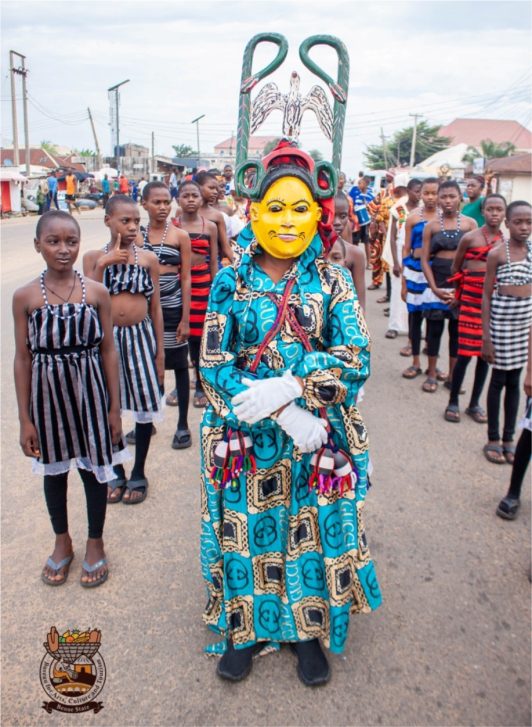
Benue State is widely celebrated for its colorful cultural festivals, traditional music, and dance performances that showcase the creativity, history, and resilience of its people. These cultural expressions serve not only as a means of entertainment but also as a platform for preserving indigenous knowledge and promoting cultural tourism.
Traditional attire is another significant aspect of the state’s heritage. The distinctive black-and-white striped fabric commonly associated with the Tiv people has become a recognizable symbol of Benue’s cultural identity, while other ethnic groups maintain unique styles of dress that reflect their customs and traditions.
The state is also blessed with numerous historical sites, monuments, and cultural landmarks that provide insight into the history and evolution of its people. Traditional rulers and cultural institutions continue to play a vital role in safeguarding these values and promoting peaceful coexistence across communities.
Benue’s rich culinary heritage further reflects its cultural diversity. A variety of indigenous dishes, prepared from locally grown agricultural products, form an important part of the state’s identity and hospitality.
The Government of Benue State remains committed to the preservation, promotion, and development of the state’s cultural heritage through support for cultural festivals, traditional institutions, museums, tourism initiatives, and creative industries. These efforts help strengthen cultural pride, foster unity, and contribute to the socio-economic development of the state.
Today, the culture and heritage of Benue State remain a source of pride, identity, and inspiration, reflecting the rich history and enduring values of its people while serving as a bridge between the past, present, and future generations.